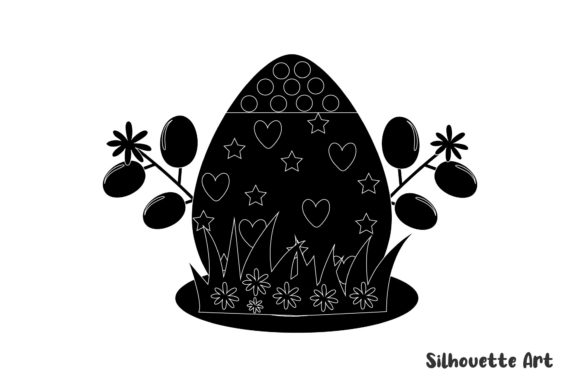
The Spring Floral Graden Plant: A Digital Asset for Modern Creation
In the digital landscape where visual communication reigns supreme, the demand for high-quality, adaptable design elements has never been higher. Among these resources, the Spring Floral Graden Plant stands out as a quintessential example of a versatile digital asset crafted to meet the rigorous needs of today's creators. It represents not merely an image but a comprehensive toolkit—a collection of floral and botanical designs packaged for professional use across multiple platforms and mediums.
What Is the Spring Floral Graden Plant?
At its core, the Spring Floral Graden Plant is a curated digital design package. It is a cohesive set of spring-themed floral and garden plant illustrations, offered in a suite of industry-standard file formats. This collection is designed for seamless integration into a wide array of projects, from digital marketing campaigns to physical product decoration. The package acknowledges that modern creative work is rarely confined to a single medium; a design might begin on a website, extend to printed merchandise, and evolve into part of a motion graphic. By providing the same core artwork in multiple formats, it ensures consistency and flexibility throughout this lifecycle.
The Multi-Format Approach as a Workflow Solution
The offering includes the design in six distinct types: AI files, EPS files, SVG files, JPG files, PNG files, and DXF files. This multi-format strategy is a direct response to the fragmented yet interconnected nature of contemporary creative and manufacturing workflows. Each format serves a specific, critical purpose:
- AI & EPS files cater to vector-based editing in professional design software like Adobe Illustrator, allowing infinite scalability without quality loss—essential for branding and large-scale prints.
- SVG files bring vector flexibility to the web, enabling crisp, performant graphics for responsive websites and applications.
- JPG & PNG files provide ready-to-use raster images for quick placement in digital layouts, social media content, or presentations.
- DXF files bridge the gap between digital design and physical fabrication, compatible with CAD software for CNC machining, engraving, or laser cutting, opening doors to product design, signage, and personalized crafts.
With a canvas size of 1920 px X 1280 px in each type, the designs are optimized for high-resolution output, ensuring they meet the baseline quality expectations for both web and print.
Contextual Relevance in Current Trends
The relevance of assets like the Spring Floral Graden Plant is magnified by several converging trends across industries. Firstly, the democratization of design means more professionals—entrepreneurs, marketers, freelancers—are producing visual content without dedicated in-house design teams. They require assets that are not only beautiful but also technically straightforward and editable. The guarantee that these designs are "easy to use and can be edited as needed" speaks directly to this self-sufficient, empowered creator economy.
Secondly, there is a sustained cultural appreciation for natural motifs and biophilic design. Floral and botanical elements evoke growth, freshness, and organic authenticity, aligning with brand narratives centered on sustainability, wellness, and renewal. Using a spring floral theme can instantly connect a project to these positive, forward-looking associations. In marketing, web design, and product development, such thematic assets provide a shortcut to establishing a specific mood and aesthetic.
Changing Needs and Professional Expectations
The expectations of professionals have evolved beyond accessing static stock images. The need now is for adaptive, malleable resources. A marketer might need to tweak colors to match a brand palette; an entrepreneur might want to isolate a single flower for a logo; a fabricator might need to extract outlines for machining. A single PNG file cannot satisfy these diverse requirements. The provision of layered vector files (AI, EPS, SVG) and specialized manufacturing files (DXF) reflects a deep understanding of these varied end-use cases. This approach anticipates the user's need to iterate and adapt, rather than just implement.
Furthermore, the emphasis on a standardized, generous canvas size addresses the industry's shift towards high-definition displays and print standards. Assets must be born ready for 4K screens, detailed large-format printing, and social media platforms where visual clarity is competitive. Offering high-resolution bases in every format removes a common bottleneck—the need to upsample or recreate assets for different applications.
Practical Applications and Observations
Consider a small business owner launching a spring product line. They could use the JPG files for quick website banners and email newsletters. Simultaneously, they could open the AI files in Illustrator to create coordinated packaging designs, adjusting elements to fit different box sizes. For a unique promotional event, they might provide the DXF files to a local workshop to produce laser-cut wooden pendants featuring the floral design as a giveaway item. One asset package fuels a multi-channel campaign.
For a web developer or UI designer, the SVG files become invaluable. They can implement the floral graphics as scalable, interactive elements on a landing page—perhaps animating them subtly with CSS—ensuring the site looks perfect on any device. The PNG files with transparent backgrounds could serve as elegant icons within an app interface.
These practical examples underscore the package's role as a centralized design source. It reduces the time spent searching for compatible assets across different platforms, ensures visual consistency, and ultimately accelerates project timelines. The statement "Thank you for purchasing our designs" hints at a transaction that is more than a simple download; it's an investment into a streamlined workflow.
Connection to Larger Developments
The Spring Floral Graden Plant package is a microcosm of a larger development in digital commerce: the move towards utility-driven, professional-grade digital goods. As creative software becomes more accessible and manufacturing technologies like 3D printing and laser cutting become more widespread, the value of the underlying digital asset increases. The asset must be technically robust to travel across these ecosystems.
This also connects to the evolution of the "digital toolkit" for entrepreneurs. In a market where branding and visual identity are critical for differentiation, having a versatile, editable, and high-quality set of core visuals allows for rapid prototyping and consistent brand deployment. It empowers smaller entities to compete visually with larger organizations, leveling the playing field through quality resources.
In conclusion, the Spring Floral Graden Plant represents a thoughtful response to the nuanced demands of modern digital creation. It transcends being a simple graphic collection by addressing the format fragmentation, resolution requirements, and editability needs inherent in today's hybrid workflows. By aligning with trends in biophilic design, the creator economy, and cross-platform production, it positions itself as a practical, insightful resource for professionals aiming to execute cohesive, high-quality visual projects efficiently. Its multi-format offering is not just a list of features; it is a foundational strategy for enabling creativity across the ever-expanding digital and physical frontier.