The Flourishing Utility of Floral Frame Design in Modern Creativity
In the expansive digital marketplace, where visual identity is paramount, certain design elements transcend fleeting trends to become foundational tools. Floral Frame Design represents one such category, evolving from a purely decorative motif into a versatile, strategic asset for professionals across disciplines. This article explores the enduring relevance and modern application of floral frame design, particularly its vector form, as it integrates seamlessly into contemporary creative workflows, brand narratives, and consumer expectations.
Beyond Decoration: Defining Floral Frame Design
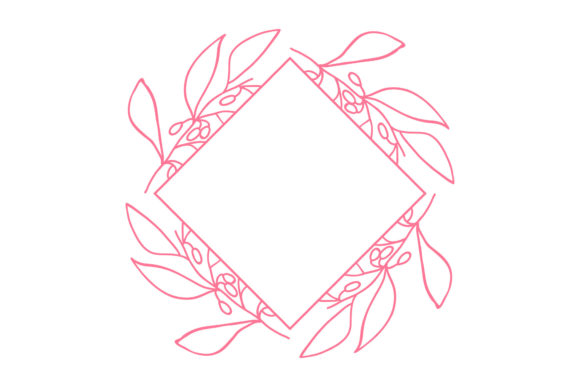
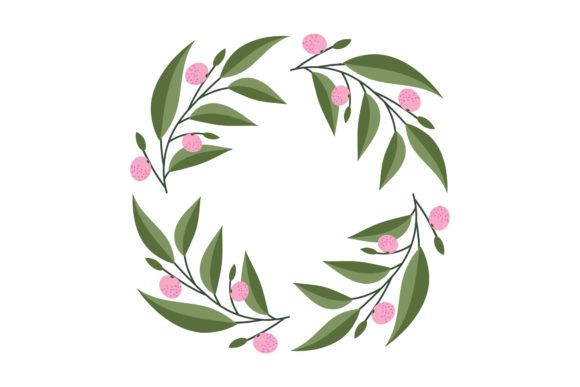
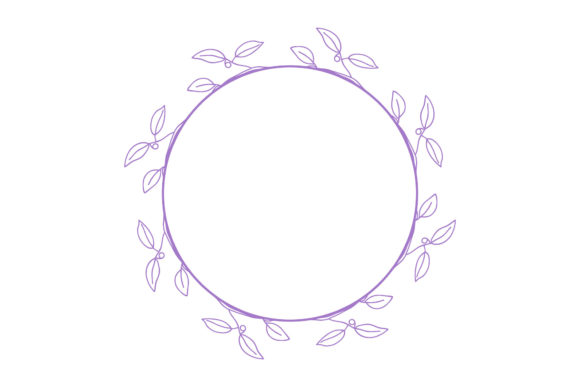
At its core, a Floral Frame Design is a structured arrangement of botanical elements—flowers, leaves, vines, branches—forming a border or container for other visual content. Historically rooted in art and print, its digital evolution into vector design is what unlocks its current widespread utility. Unlike raster images, vector graphics are built from mathematical paths, making them infinitely scalable without loss of quality. A Floral Frame Design Vector file is not merely a picture; it is a malleable blueprint. This inherent flexibility allows a single design file to serve as the source for a logo's intricate border, a website's illustrative module, a t-shirt's central graphic, or an animation's key frame.
The design philosophy here shifts from static ornamentation to dynamic composition. Modern floral frames often balance organic, natural shapes with clean, geometric structure, creating a visual bridge between the handmade aesthetic and digital precision. This duality is key to its broad appeal.
The Demand for Adaptive Brand Assets
Today's brands, especially those launched by entrepreneurs and freelancers, operate across a fragmented landscape of media formats—from high-resolution print brochures to mobile app icons and social media banners. The need for a cohesive visual language that can adapt to these myriad contexts without requiring constant redesign is acute. A well-crafted floral frame design vector meets this need perfectly. It provides a recognizable, consistent brand element that can be resized, recolored, or slightly reconfigured for different applications while maintaining its core identity. This efficiency aligns directly with the workflows of lean teams and solo creators who must maximize the utility of every asset.
Resonance with Lifestyle and Consumer Preferences
Consumer aesthetics have shown a pronounced lean towards designs that convey authenticity, craftsmanship, and a connection to nature. This is evident in sectors from fashion to food packaging to digital wellness apps. Floral frame design, when executed thoughtfully, taps into these preferences. It can evoke elegance, organic growth, or mindful detail, depending on its styling. For a marketer, using such a frame on a product label or website header isn't just decoration; it's a subtle communication of brand values that align with these deeper consumer trends.
Why Floral Frame Design Commands Attention
The renewed professional focus on floral frame design stems from several converging factors:
- Technical Empowerment: Accessible vector software and marketplaces have democratized the use of complex vector art. Professionals no longer need to be expert illustrators to implement sophisticated floral frames; they can acquire editable files and integrate them directly into their projects.
- Multipurpose Economics: In a value-conscious creative economy, assets that offer multiple uses provide a higher return. A single vector download containing AI, EPS, PNG, JPG, and SVG files—as commonly bundled today—becomes a toolkit. The AI and EPS files allow for deep editing in professional design environments, the SVG enables modern web development, while the PNG and JPG offer immediate placement. This practicality is indispensable.
- Narrative Flexibility: Floral designs are culturally rich but not culturally restrictive. They can be adapted to signify luxury, simplicity, heritage, or innovation through color, line weight, and floral choice. This makes them a safe yet expressive choice for global brands and niche communities alike.
Changing Workflows and Expectations
The expectations of clients, audiences, and creators themselves have shifted towards speed, adaptability, and quality. Design processes are often iterative and collaborative. A vector-based floral frame fits this new paradigm because it is:
- Openable and Editable: It can be tweaked in minutes to match a client's feedback on color scheme or to remove an element for a cleaner look.
- Interoperable: The file can move between graphic design, web development, and animation software without requiring conversion or re-creation.
- Foundationally Scalable: As a project scales from a local campaign to a national one, requiring larger formats, the asset does not become a bottleneck.
This addresses a critical change in preference: creatives now expect assets to be serviceable, not just visually appealing. They are components in a system, not finished, frozen pieces.
Practical Applications and Observations
Consider a boutique cosmetics brand. Their core floral frame vector might be used as a delicate border around their logo on product packaging (utilizing the high-res capabilities of the AI file for print). The same vector's SVG version could be used to create an animated, growing floral border that welcomes users on their website homepage. Elements isolated from that frame could become social media badge icons (using the PNG). This is not hypothetical; it's a common, efficient reuse pattern observed in successful small brand strategies.
For animators and video creators, the vector paths of a floral frame design provide a clean, editable starting point for motion graphics. The individual leaves and flowers can be animated to bloom or sway independently, creating engaging content with a consistent visual theme. This connects the topic to the larger development of vector animation's rise in explainer videos and UI design.
Connection to Larger Developments
The relevance of floral frame design vector graphics is amplified by the broader technological shift towards resolution-independent design. As display technologies diversify (from 4K screens to wearable devices), the demand for assets that render perfectly at any size grows. Vector graphics are inherently resolution-independent. Furthermore, the expanding need for personalized design—where a base template is modified for different customers or regions—favors editable vector formats over static images. Floral frame design sits comfortably at the intersection of these technical requirements and aesthetic desires.
In conclusion, the modern utility of Floral Frame Design, particularly in its vector form, is a testament to how traditional aesthetic elements can be transformed by digital technology to meet contemporary professional needs. It is no longer just about beauty; it is about beautiful utility. For the professional, creator, or entrepreneur, it represents a smart investment: a single, editable, scalable asset that can reinforce brand identity, streamline workflows, and resonate with audiences across the complex digital landscape. Its flourishing presence in logos, illustrations, merchandise, and digital media is a logical response to a creative environment that values both efficiency and expression.